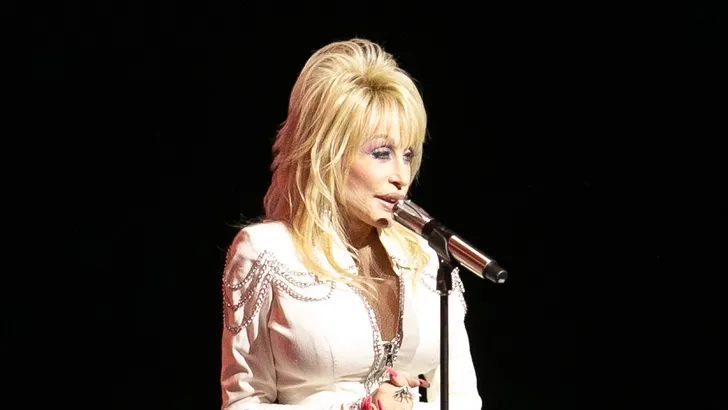
For Dolly Parton, a long career hasn’t faded the meaning behind her music. After more than 50 years onstage, she says one song still hits with the same emotional weight every time she sings it: “I Will Always Love You.”
“I’ll always be thankful for how that song has touched people,” Dolly has shared. “It still gives me strength.”
A farewell that became timeless
Parton wrote the song in 1973 as a heartfelt goodbye to her mentor and collaborator Porter Wagoner. Leaving his show was necessary for her independence, but it wasn’t easy. Rather than argue, she poured her feelings into music. When she sang it to Wagoner, the sincerity of the gesture reportedly moved him to accept her decision. Though often mistaken for a romance song, it was really about gratitude and respect — loving someone enough to part without resentment.
A burst of songwriting magic
In one of country music’s favorite stories, Dolly wrote both “I Will Always Love You” and “Jolene” on the same day. One captured grace and closure; the other pulsed with jealousy and urgency — together showcasing her remarkable emotional range as a songwriter.
A decision that shaped her legacy
The song’s story deepened when Elvis Presley expressed interest in recording it, but Dolly declined after learning his team wanted part of the publishing rights. Holding onto ownership proved pivotal years later when Whitney Houston recorded her powerhouse version for The Bodyguard. Houston’s rendition became a global phenomenon, cementing the song’s place in pop culture and highlighting the lasting value of Dolly’s choice to keep creative control.
Why it still resonates
Unlike songs tied to a moment or trend, “I Will Always Love You” speaks to a universal experience: loving someone while letting them go. Dolly says each performance feels new because audiences bring their own stories — heartbreak, healing, gratitude — to the lyrics.
A song that keeps giving
Now more than half a century old and preserved in the Library of Congress’ National Recording Registry, the song continues to echo across generations. For Dolly, its endurance is the greatest reward.
She didn’t write it to make history.
She wrote it to say goodbye with grace — and in doing so, created a song that never truly fades.