In 2017, as the United States was taking a harder look at its past, even one of its most beloved cultural icons came under scrutiny. Dolly Parton — widely admired for bridging political, racial, and generational divides — found herself facing criticism over her long-running dinner attraction, Dixie Stampede.
Activists and commentators argued that the show’s name and Civil War–style themes glossed over a painful chapter of American history. The familiar “North vs. South” storyline, once marketed as lighthearted entertainment, was suddenly viewed through a more critical lens. Some critics said the branding leaned on outdated symbolism, while others questioned whether nostalgia tied to that era should still be part of a modern production.
Many public figures respond to moments like this with lengthy defenses or public sparring. Dolly chose another route.
Rather than debate intent, she listened. Within months, she made a decisive change: the word “Dixie” was removed. The show was reintroduced as Dolly Parton’s Stampede, and its storyline was reworked to move away from Civil War framing. In its place came a broader celebration of American frontier traditions, horsemanship, and unity — a version designed to bring audiences together rather than divide them.
What stood out most was the tone of the transition. There was no extended publicity campaign or dramatic apology tour. Parton later suggested that once she understood something caused hurt, the path forward was simple — make it right.
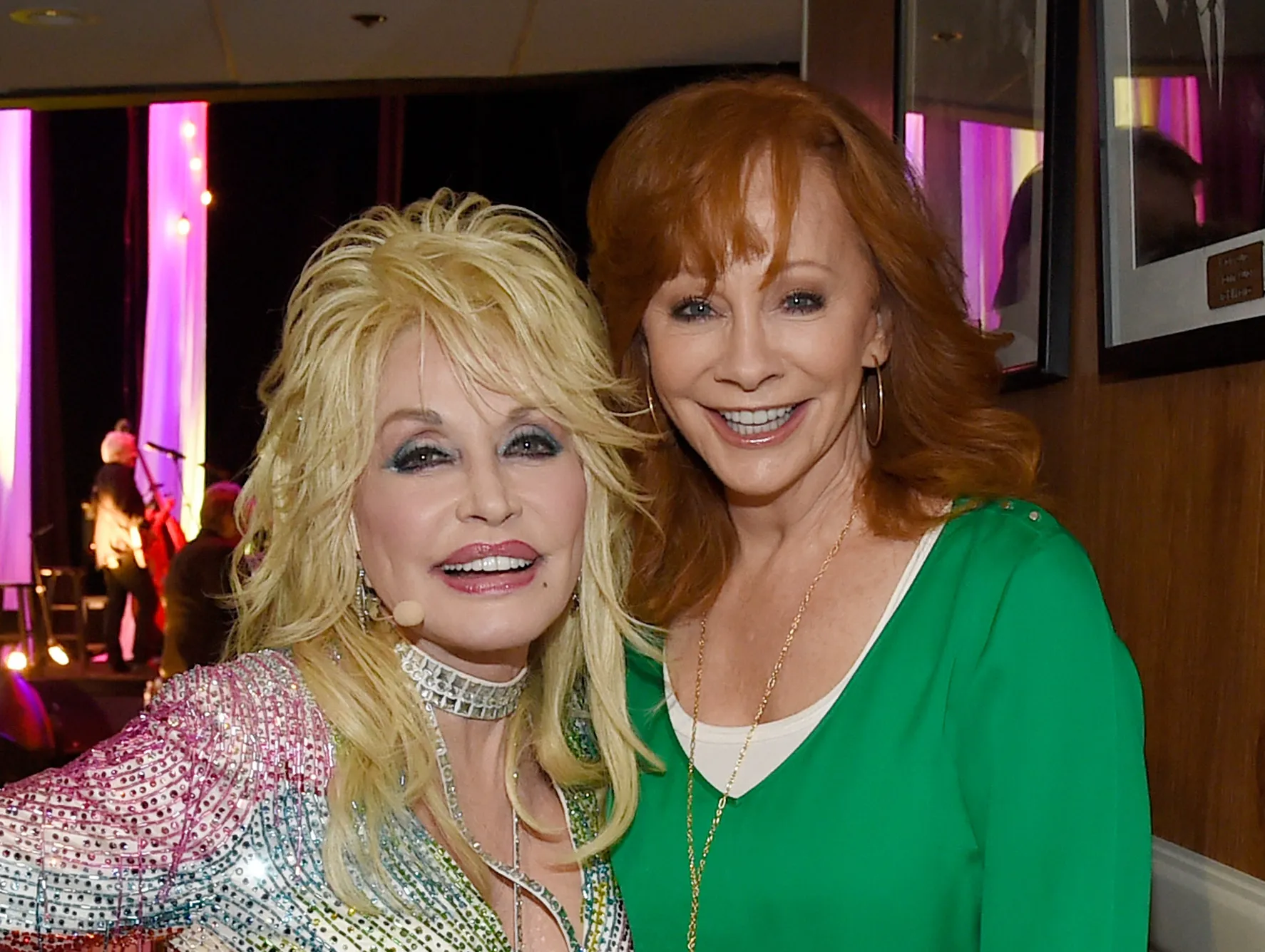
During the conversation, her longtime friend Reba McEntire publicly vouched for her character, describing Dolly as someone guided by goodwill rather than controversy. McEntire emphasized that Parton’s instinct has always been to seek common ground, not conflict.
The Stampede’s evolution became a clear example of how Parton approaches her work more broadly. Whether through her literacy initiatives or her entertainment ventures, her guiding philosophy has remained consistent: create spaces where people feel welcome.
Importantly, the changes did not diminish the show’s popularity. Audiences continued to support it, demonstrating that inclusivity and tradition can coexist. By choosing action over argument, Dolly Parton showed that growth doesn’t require defensiveness — only openness.
At a time when criticism often turns into spectacle, her response stood out as something quieter and rarer: a demonstration of listening, adapting, and moving forward without losing sight of community.