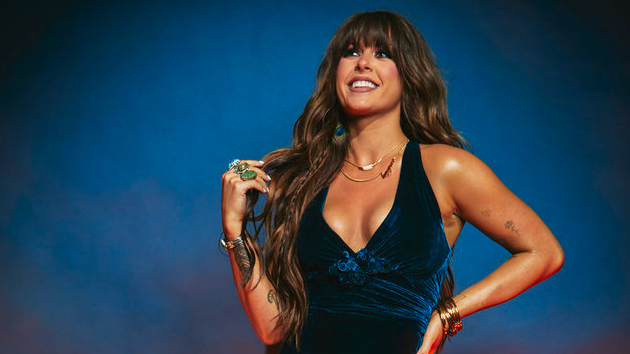
Country artist Ella Langley is facing a wave of reactions across the entertainment world after publicly expressing support for U.S. Immigration and Customs Enforcement (ICE), a stance that has quickly become one of the most divisive moments of her career.
In a widely shared video clip, Langley is heard declaring, “I don’t care if they cancel me again. I stand with ICE.” The remark spread rapidly online, prompting strong responses from fans, critics, and music industry observers — particularly in Nashville, where performers often avoid taking highly visible political positions.
Known for candid songwriting and an outspoken personality, Langley has never been a stranger to controversy. Still, openly aligning herself with a federal agency at the center of ongoing immigration debates marks a significant shift in how she is being discussed publicly, drawing both praise and criticism.
Supporters say Langley is exercising her right to speak openly about her beliefs. Many applauded what they view as her willingness to stand firm despite potential professional consequences, arguing that authenticity is part of her appeal.
Critics see the situation differently, pointing to the long-running controversy surrounding ICE’s role in immigration enforcement. Some accuse Langley of deepening divisions and alienating segments of her audience, with calls for boycotts already circulating online.
Inside Nashville’s music community, reactions have reportedly been measured. Industry voices note that while country music has long intersected with cultural themes, direct endorsements of specific agencies tied to national political debates remain uncommon for mainstream artists.
Langley’s management and label have not released formal statements since the clip gained traction. Meanwhile, Langley has continued engaging with supportive messages online, signaling that she stands by her comments.
Whether the moment ultimately reshapes her relationship with fans or fades with time is still unclear. What is certain is that her statement has pushed her into a broader conversation about celebrity influence, political expression, and the evolving expectations placed on public figures.