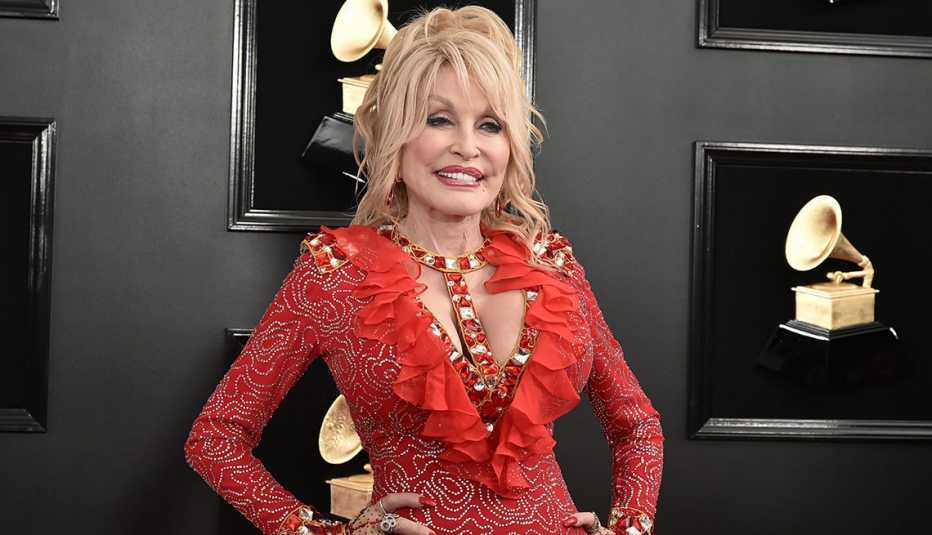
For an artist who has spent nearly seven decades turning personal pain into universal comfort, it surprised many fans to learn that even Dolly Parton couldn’t sit through one scene from her own life story—especially on the night the world stood up to applaud it.
At the July 2025 Nashville world premiere of Dolly: An Original Musical (formerly Hello, I’m Dolly), the audience gave a thunderous 10-minute standing ovation. The show sold out its four-week run almost instantly and, within days, secured a Broadway transfer for 2026. By every external measure, it was a triumph.
But during the second act, Dolly quietly stepped out of her seat.
The Scene That Was “Too Heartbreaking”
Despite writing many of the songs herself, Dolly later admitted she refused to watch a particular sequence: one depicting her family’s extreme poverty in the Smoky Mountains and the death of her baby brother, Larry. Though she has spoken about these experiences throughout her career, seeing them dramatized onstage proved overwhelming.
“I hated reliving it,” she confessed backstage. Singing about hardship allowed her to control the memory; watching it unfold onstage forced her to become that little girl again—hungry, grieving, and powerless.
Instead, Dolly chose to listen from her dressing room, preserving what she called her “emotional peace.”
Why This Musical Resonates
Unlike many jukebox-style bio-musicals, Dolly: An Original Musical doesn’t soften its edges. It traces her journey from rural Tennessee poverty to global stardom, refusing to skip the cost of that climb. The creative team, working closely with Dolly, made a deliberate choice to show the “before” as vividly as the rhinestones and wigs that came later.
That honesty is exactly why audiences responded so passionately. Viewers described the second act as “devastating,” “grounding,” and “necessary.” The applause wasn’t just for nostalgia—it was recognition of survival.
Triumph Without Sentimentality
Staged at Belmont University’s Fisher Center for the Performing Arts, the Nashville run became one of the fastest-selling theatrical events in the city’s history. Theater insiders say the show’s emotional credibility—not just Dolly’s star power—was what convinced producers a Broadway transfer would succeed.
Ironically, the very scene Dolly couldn’t watch became one of the production’s most talked-about moments. It reminded audiences that the woman synonymous with warmth, humor, and generosity built that worldview through loss, not in spite of it.
A Boundary, Not a Weakness
Dolly’s decision to step out isn’t a contradiction—it’s a boundary. After a lifetime of sharing herself with the world, she chose to keep one moment just for herself.
The standing ovation honored the legend. Stepping out honored the human being.
As Dolly: An Original Musical heads to Broadway in 2026, that balance—between openness and self-protection—may be the most honest chapter of her story yet.