In a dimly lit studio in Los Angeles, Mike Shinoda leaned into the microphone, hesitating for a moment. “I don’t know if this is going to work,” he muttered, staring at the familiar faces of his bandmates. What happened next wasn’t just another take—it was a full-throttle scream, a raw release that hadn’t been heard in years. “It’s kind of an awkward yell,” Shinoda said later, laughing. But the spark was undeniable.
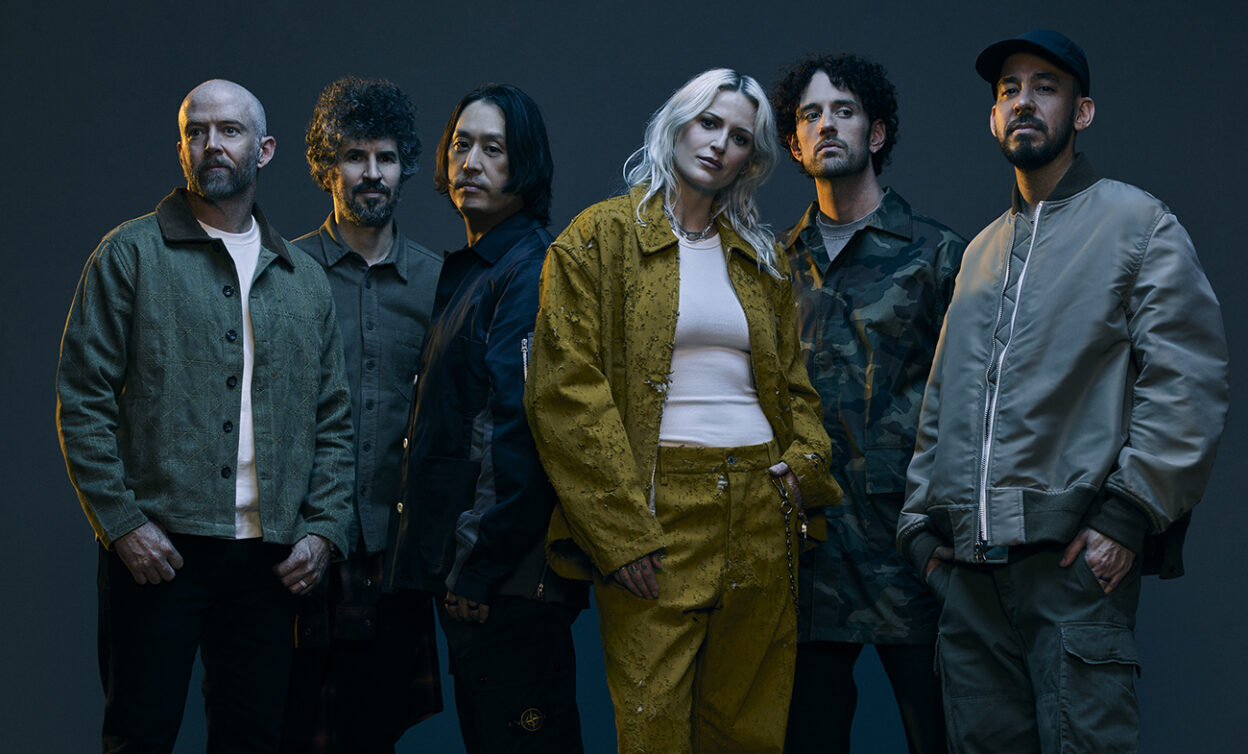
Seven years after Linkin Park’s indefinite pause following Chester Bennington’s tragic death, the iconic rock band quietly prepared for a bold return. New faces joined the fold: Emily Armstrong, a powerhouse vocalist from Dead Sara, and Colin Brittain, a versatile studio whiz, now on drums and co-production. Together with original members Shinoda, Dave Farrell, Brad Delson, and Joe Hahn, they crafted From Zero, the band’s first album in years, set to launch November 15 via Warner Records.
The band kept their plans under wraps for months. Rehearsals, secret writing sessions, and subtle teasers kept fans guessing while rumors swirled across forums and social media. Their first single, “The Emptiness Machine”, dropped like a jolt of electricity, introducing a Linkin Park both familiar and transformed. Armstrong’s raspy power blended with Shinoda’s signature rap-rock precision, creating a tension that felt alive, urgent, and completely new.
Rebuilding the band wasn’t just about music—it was about trust, chemistry, and honoring the legacy of Bennington while stepping into uncharted territory. Armstrong recalls her early days in the studio: “It felt safe. I could explore my voice without fear. That was key.” Shinoda adds, “Emily was always going to hit the notes and scream the parts. It was just a question of how it lands with people.”
Every detail mattered. Songs were adapted to Armstrong’s register, old hits were re-learned, and no lyrics had to be changed despite gender differences—a rarity in such a reinvention. For Shinoda and Farrell, the process was cathartic. “Since 2017, everybody did real reflection and work on themselves,” Shinoda says. “Being together again, it’s energizing. It’s like filling a battery instead of draining it.”
The band’s upcoming tour, starting with a hometown show at the Kia Forum in L.A., promises arenas packed with loyal fans and new listeners alike. But this return isn’t nostalgia—it’s evolution. From Zero pulses with the aggression of early rap-rock, the intensity of later alt-metal experiments, and the fresh energy of a band that’s found its footing again.
For Linkin Park, the question isn’t whether the world remembers them—it’s whether they can redefine themselves on their own terms. “We’re proud of what we’ve made,” Shinoda says. “It’s the best snapshot of the band right now. And when people hear it, I think they’ll feel it too.”