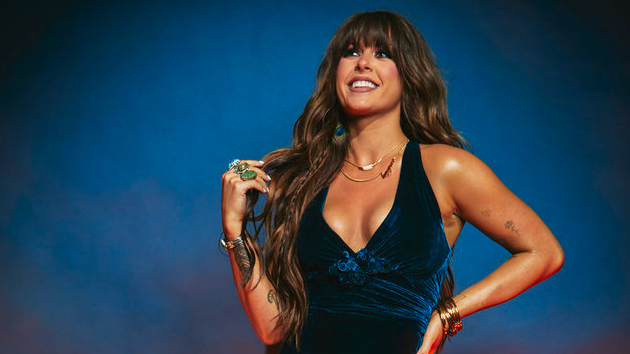
The internet loves a clean, cinematic headline: Netflix confirms a 16-episode limited series. A title that sounds tailor-made for your watchlist. Promises of “raw access,” “unfiltered truth,” and a rising star narrating her own journey like a diary read under stage lights.
So when the phrase Ella Langley: Strings and Stories began circulating across social media—confidently worded, neatly packaged, and endlessly shareable—fans reacted the way they always do when they care: they leaned in. Because Ella Langley isn’t just having a moment. She’s become one of those rare new voices that feels lived-in rather than manufactured. A songwriter who doesn’t decorate the truth—she sets it down and lets it speak for itself.
But this is where the story takes its first turn.
At the moment, the claim that Netflix has confirmed a 16-episode series appears to be spreading largely through template-style posts—repeating the same language across Facebook pages and content hubs. It reads less like a formal announcement and more like a viral package designed to move fast, before anyone pauses to ask the most important question:
Where is the official confirmation?
That question matters—not because fans want to spoil the excitement, but because Langley’s audience tends to be thoughtful, loyal, and seasoned enough to recognize the difference between a real announcement and a story that wants to be real.
The twist: the verified story is already powerful enough
While the Netflix claim remains unconfirmed, there is verified, reputable reporting about Ella Langley that feels every bit as revealing—perhaps more so than any glossy trailer.
In August 2025, Langley canceled her remaining August tour dates, explaining that she felt “run down” and needed to focus on her health and recovery. Major outlets reported the decision plainly: it followed an intense stretch of touring and performances. No theatrics. No dramatized confession. Just a young artist choosing wellness over momentum—something many older readers understand instinctively.
If you’re looking for “the truth behind the songs, the exhaustion no one sees, the strength it takes to keep going,” that wasn’t marketing language. That was real life.
And that’s exactly why the idea of Strings and Stories resonates. Because whether a series exists or not, the theme is accurate. Langley’s rise has never felt like a chase for spotlight—it’s felt like grit.
Why the rumor works: it’s built from emotional truth
The smartest rumors don’t invent feelings. They borrow them from reality.
A docuseries concept fits Ella Langley because her music already behaves like documentary storytelling—plainspoken, sometimes bruised, always honest. The idea that she would tell her own story feels believable because fans trust her not to polish it into something unrecognizable.
Even the quote attached to the rumor lands because it isn’t about fame. It’s about the private cost of creating—the late nights when no one’s clapping, when you keep writing, singing, and showing up anyway. That resonates deeply with people who’ve lived that reality in different forms: factories, classrooms, hospitals, family businesses, kitchens. Places where work continues long after the applause ends—if it ever comes.
The real surprise isn’t Netflix—it’s the moment we’re in
Here’s the deeper truth: audiences today aren’t impressed by perfection. They’re hungry for character.
That’s why this story—verified or not—keeps spreading. It reflects a hope that something is changing: that artists, especially young women in high-pressure industries, can choose honesty without being punished for it. That they can admit exhaustion, step back, recover, and return with dignity.
If a real Netflix project does arrive someday, the most compelling version won’t be a highlight reel. It won’t rely on staged tears or dramatic narration.
It will be quieter. More grounded. Something older audiences recognize instantly as the truth:
A talented person learning one of adulthood’s hardest lessons—that your gift matters, but so does your health. Your calling matters, but so does your humanity.
What to share—if you want to stay credible
If you’re posting about this online, the strongest approach is simple:
Acknowledge Strings and Stories as a viral claim unless and until there’s a Netflix press release or verified trade reporting.
Then point to what is confirmed: Ella Langley canceled shows because she was run down and needed rest.
Frame the larger truth: this generation of artists is beginning to say the hard things out loud—and audiences are responding because they’ve been waiting for that honesty their whole lives.
And leave readers with the question that lingers longest, because it’s personal:
If you’ve ever had to choose rest over reputation—what did it cost you, and what did it save?