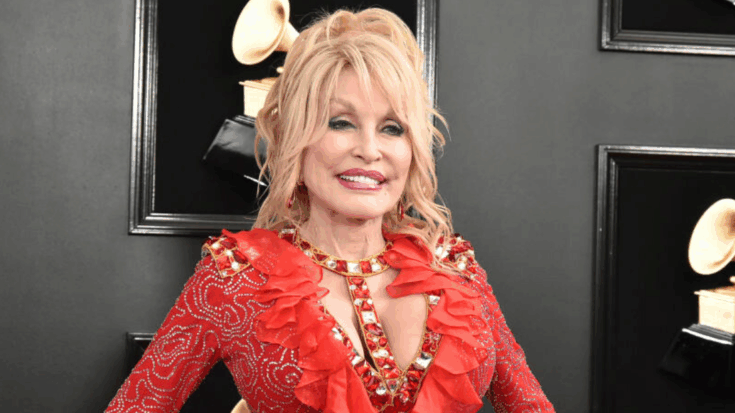
In a 2016 recording studio thick with anticipation, Pentatonix — the five-headed a cappella powerhouse — extended an invitation to the “Queen of the Smokies,” Dolly Parton. Their mission? To deconstruct her 1973 classic, Jolene, and rebuild it using nothing but human voices. What emerged left critics breathless: a fusion that shattered country conventions and transformed the iconic song into a multi-layered vocal cathedral.
Gone was the skeletal acoustic guitar of the original. In its place, Kevin Olusola’s relentless beatboxing became a ticking pulse, a heartbeat that carried the story forward. Dolly’s signature vibrato wove seamlessly with four-part harmonies, filling every corner of the soundscape. This wasn’t a cover — it was a complete reinvention, a sonic architecture of raw emotion.
The industry noticed. When the 59th Grammy Awards arrived, the collaboration claimed Best Country Duo/Group Performance. In doing so, Dolly Parton made history as the first artist nominated for the same song across four decades — a testament to the timelessness of her storytelling. The performance and its video spread like wildfire online, amassing tens of millions of views and proving that traditional soul could be reborn through modern innovation.
“They aren’t just singers,” Dolly reflected later. “They turned my story into a spiritual experience.” The group transformed jealousy and heartbreak into haunting tension, giving the song a solemn, mesmerizing life of its own.
Pentatonix and Dolly didn’t just revisit a classic — they stole it from the past and delivered it to the future. Their 2016 Jolene remains a monument to the power of the human voice, proving that a great story, when placed in the right hands, is truly immortal.