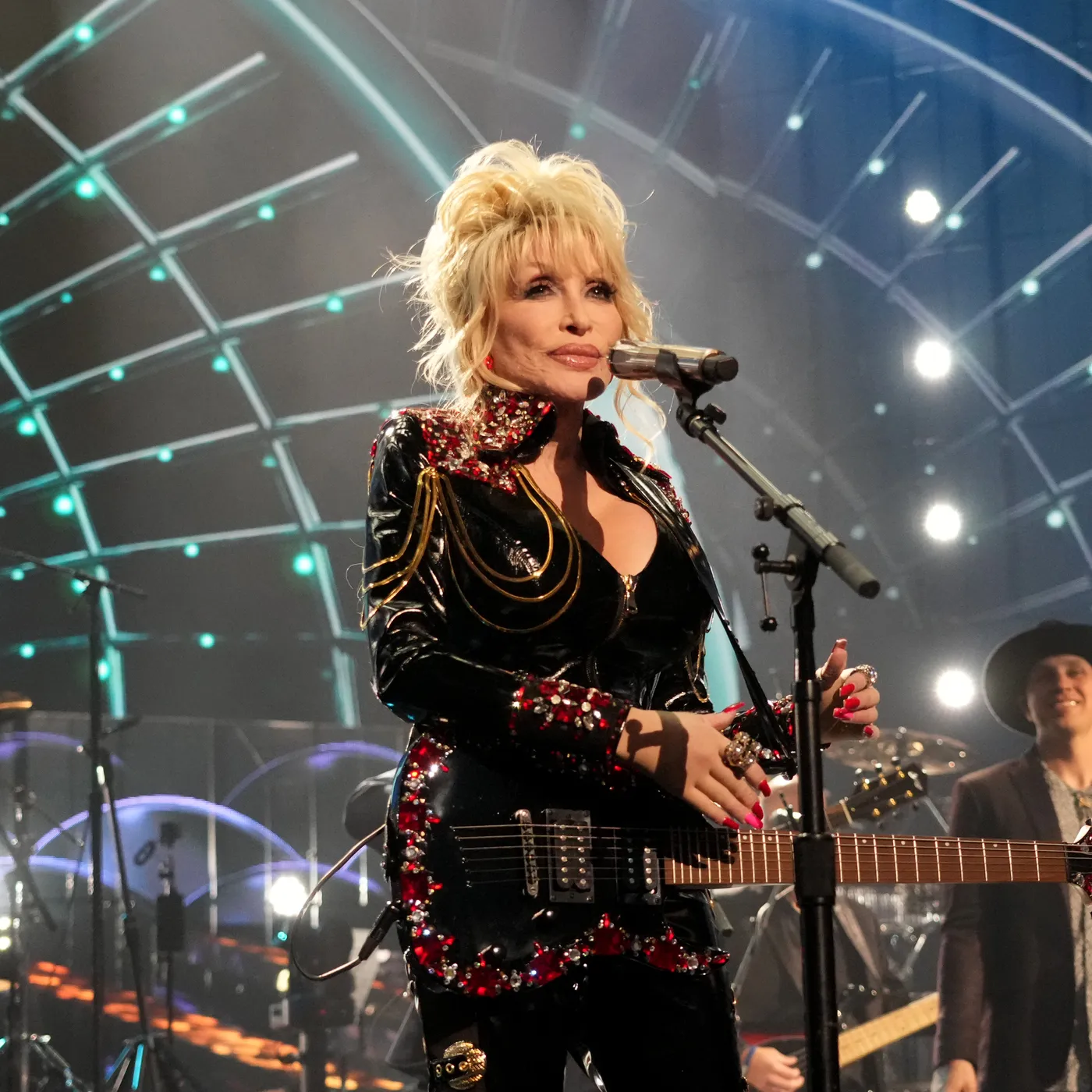
For more than six decades, Dolly Parton has stood at the crossroads of country music and global culture, her voice carrying stories of heartbreak, resilience, and compassion. But in recent years, that same voice has been raised for something beyond music — and it has stirred both applause and backlash.
When conservative critics branded her a “disgrace to country” for supporting LGBTQ+ rights, Dolly didn’t respond with anger. She responded with faith.
Asked how she reconciles her Christian beliefs with her inclusive stance, she calmly turned the question back on her critics.
“If you’re the fine Christian that you think you are, why are you judging people?” she said. “That’s God’s job. We’re not God. We’re not judges. We’re supposed to love one another.”
Her words didn’t just answer the criticism — they reframed the conversation. In a genre often associated with tradition and conservatism, Dolly’s message echoed like a sermon: simple, direct, and rooted in compassion.
A Lifetime of Quiet Allyship
This wasn’t a sudden shift or a calculated political statement. Dolly’s support for inclusivity has been woven into her music and public life for decades.
Back in 1991, her album Eagle When She Flies featured the song Family, which openly embraced people from all walks of life — including gay family members — at a time when such lyrics were rare in country music.
In 2014, she publicly supported marriage equality with her signature humor, saying same-sex couples should be allowed to marry and “suffer just like us heterosexuals.” The joke carried a deeper truth: equality means sharing both the joys and the struggles of life.
Her advocacy continued in 2023, when she spoke out against anti-trans legislation in her home state of Tennessee, reminding audiences that the issue wasn’t abstract — it involved real people she knew and loved.
Songs That Became Safe Havens
Even her classics have taken on new meaning over time. Her 1971 song Coat of Many Colors — originally about a poor girl mocked for her homemade coat — has been embraced by LGBTQ+ listeners as an anthem about pride, difference, and self-worth. Its message of dignity in the face of ridicule resonates far beyond the Appalachian childhood it describes.
Compassion Over Controversy
By grounding her stance in the core Christian principle of love over judgment, Dolly Parton has managed to do what few public figures can: challenge critics without creating deeper division. Her words don’t shout; they invite reflection.
In an era where debates about identity and faith often grow louder and more hostile, Dolly’s voice remains steady — reminding the world that kindness, not condemnation, is the truest measure of belief.
For her, compassion isn’t politics. It’s simply the way she was raised — and the way she still chooses to live.