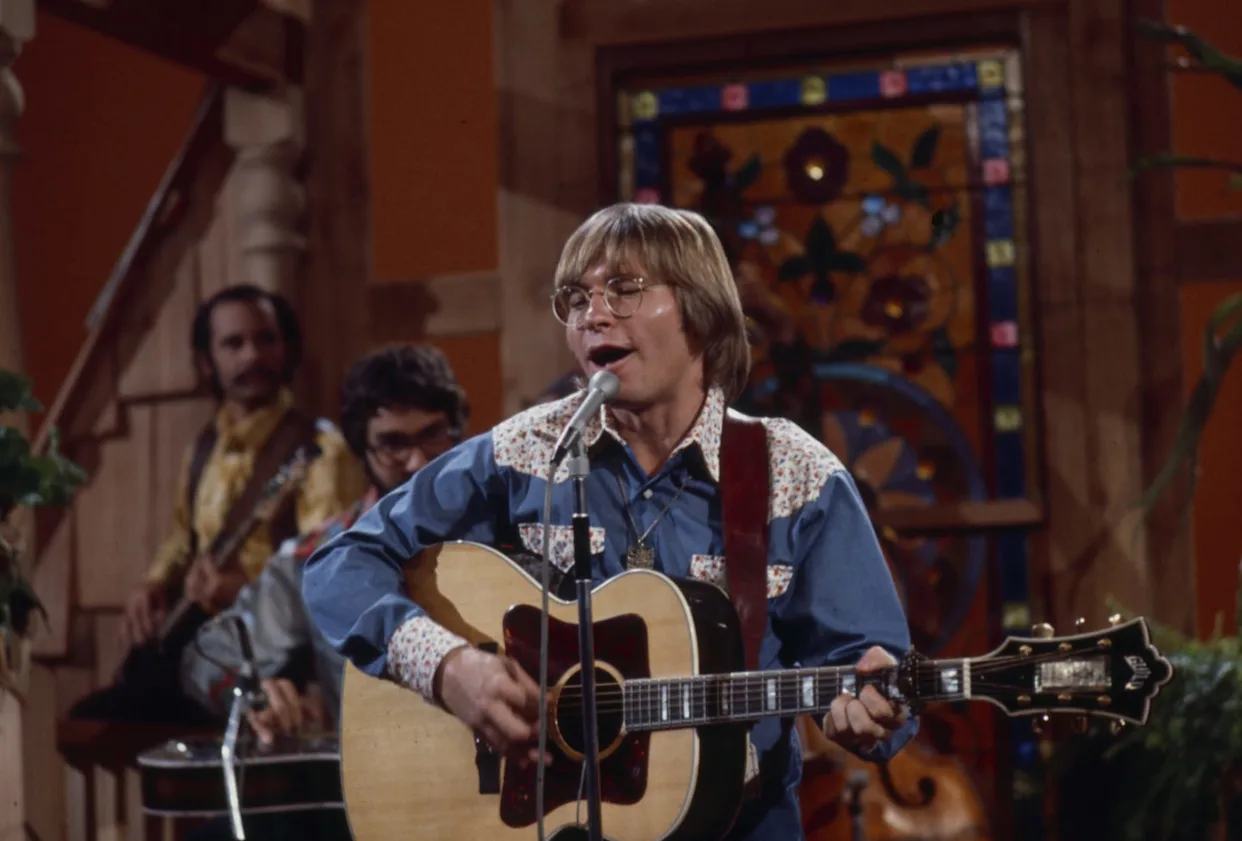
Few songs in American music history have achieved the legendary status of “Take Me Home, Country Roads.” More than fifty years after its release, the timeless anthem continues to echo through stadiums, arenas, festivals, bars, and living rooms around the world. Millions know every word by heart. Millions believe they know exactly where the song came from.
But the truth behind one of the most beloved songs ever recorded is far more surprising than most fans realize.
For decades, listeners have associated the song with the rolling hills and mountain landscapes of West Virginia. The track became so closely connected to the state that many people assumed it was written by someone who grew up there or spent years exploring its famous country roads.
The reality is much different.
When the song was first being created, neither John Denver nor the song’s co writers, Bill Danoff and Taffy Nivert, had actually experienced the West Virginia landscape that would eventually become immortalized in the lyrics.
The song’s earliest inspiration reportedly came during a drive along a rural road near Gaithersburg, Maryland. Danoff and Nivert, who performed together as the folk duo Fat City, were traveling to a family gathering when creative inspiration suddenly struck. As Danoff played guitar during the drive, the first ideas for what would become a future classic began taking shape.
At the time, the song was never intended for John Denver.
The pair originally envisioned the track as something that could potentially be recorded by Johnny Cash. Early drafts even considered using Massachusetts in the lyrics because of Danoff’s personal connection to the state. But something felt missing. The words did not flow quite right. Eventually, West Virginia replaced Massachusetts simply because it sounded more musical and fit the rhythm of the song perfectly.
Then fate intervened.
In late 1970, John Denver invited Danoff and Nivert to open several shows for him in Washington, D.C. Following an accident that temporarily sidelined Denver, the three musicians found themselves together in Danoff and Nivert’s apartment, working late into the night to finish the song.
What happened next would change all of their lives forever.
After hours of writing and refining lyrics, the trio completed what they immediately sensed was something special. Danoff later recalled feeling that the song had all the ingredients of a hit. The melody felt right. The chorus felt unforgettable. Most importantly, it simply felt good to sing.
The very next evening, on December 30, 1970, the song made its live debut. Denver was so new to the lyrics that he reportedly taped them to his microphone stand before walking on stage. Yet within minutes, the audience reaction made it clear they were witnessing something extraordinary.
The crowd erupted into a standing ovation that lasted several minutes. Witnesses later described the venue as practically shaking from the response.
Soon afterward, Denver recorded the song for his 1971 album Poems, Prayers & Promises, with Danoff and Nivert contributing background vocals. The recording would become Denver’s first platinum selling single and one of the most recognizable songs in music history.
Interestingly, not every lyric survived the editing process. Several colorful and unusual lines from the original drafts were removed before the final version reached radio audiences, helping shape the cleaner and more universal anthem listeners know today.
More than five decades later, “Take Me Home, Country Roads” remains one of the most powerful singalong songs ever written. It has become a symbol of nostalgia, belonging, and home for generations of fans across the globe.
Yet perhaps the most remarkable part of its legacy is this:
One of the greatest songs ever written about West Virginia was inspired by a road in Maryland, created by songwriters who had never set foot in the place they were singing about, and brought to life by an artist who turned an unexpected idea into a timeless masterpiece.
Sometimes the stories behind the biggest songs are every bit as unforgettable as the songs themselves.