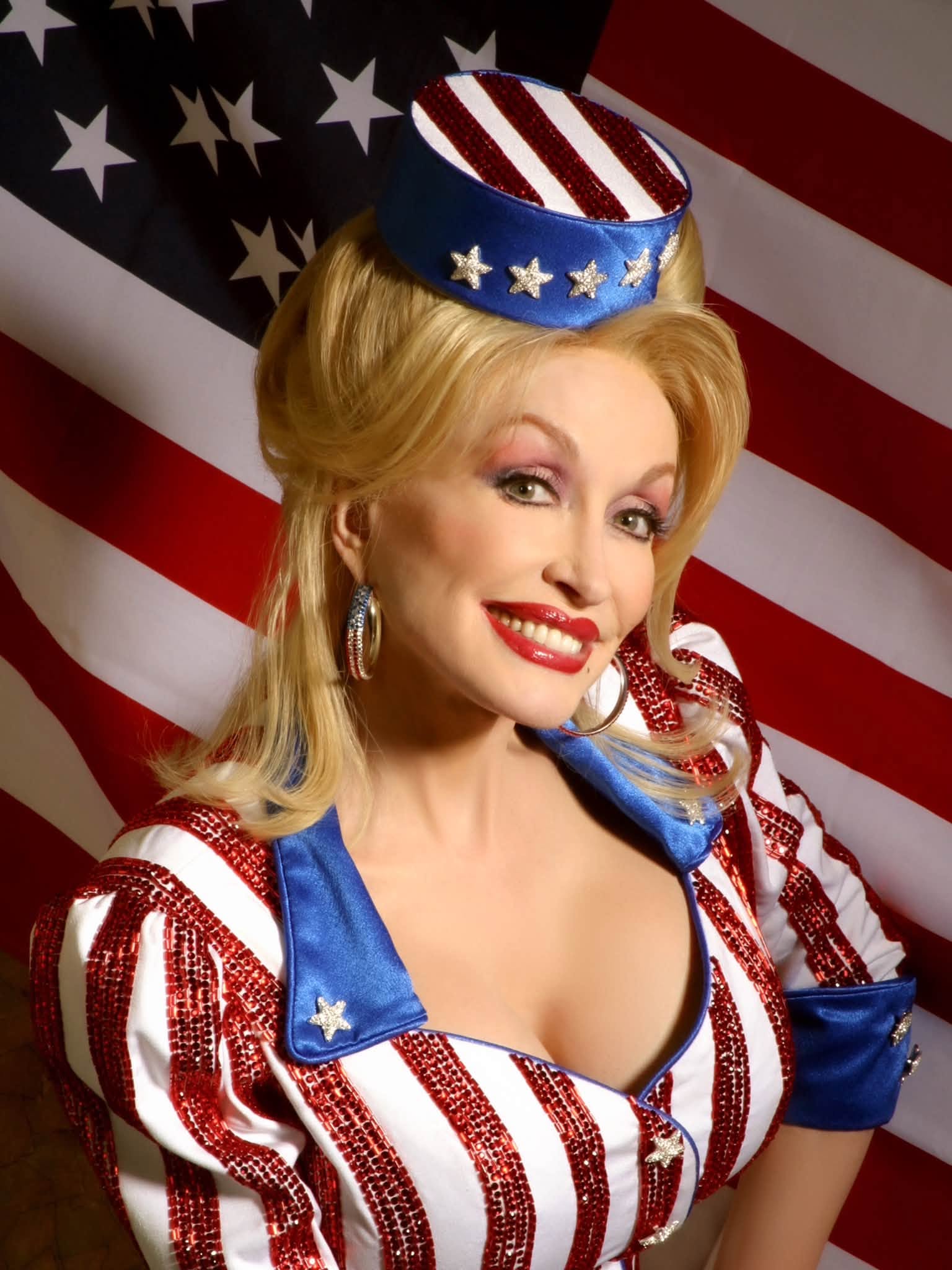
As the United States marks the 250th anniversary of its independence, few musical moments have captured the spirit of the celebration as profoundly as Dolly Parton’s unforgettable performance of “Light of a Clear Blue Morning.” Long before this historic milestone, the country music legend delivered the song during A Capitol Fourth in 2003 on the West Lawn of the U.S. Capitol, and more than two decades later, its message feels more meaningful than ever.
During the nationally televised Independence Day concert, Parton performed several of her beloved classics, including “9 to 5.” Yet it was “Light of a Clear Blue Morning” that left the deepest emotional impact. Its uplifting message of resilience, hope, and new beginnings continues to resonate with audiences, especially as Americans reflect on 250 years of freedom, sacrifice, and the people who have shaped the nation’s history.
Dolly first wrote the song in 1976 during one of the most challenging periods of her life. Looking for hope after her professional split from longtime mentor and musical partner Porter Wagoner, she poured her emotions into the lyrics. The song was released on her 1977 album New Harvest… First Gathering and became a Top 20 country hit, quickly establishing itself as one of the most inspirational songs in her remarkable catalog.
Parton has often described “Light of a Clear Blue Morning” as her personal song of deliverance. After leaving Wagoner’s band in 1974 to pursue her own artistic path, the two became embroiled in a highly publicized legal dispute that strained their relationship for years. Through that difficult chapter, the song became a symbol of courage, independence, and believing brighter days were still ahead.
Over the decades, “Light of a Clear Blue Morning” has continued to evolve alongside Parton’s extraordinary career. It later appeared in her 1992 film Straight Talk and was recorded again for her 2003 album For God and Country, ensuring its message reached new generations of listeners.
Reflecting on the song’s origins, Parton has shared that she originally wrote it because she desperately needed hope herself. She has said that as long as people continue believing in one another and in the ideals of the United States, there will always be reasons to look toward tomorrow with optimism.
To celebrate the song’s 50th anniversary and her 80th birthday, Dolly recently introduced a new version featuring an all star lineup that includes Lainey Wilson, Miley Cyrus, Queen Latifah, and Reba McEntire. The special collaboration honored the enduring legacy of the song while supporting an important cause. Parton pledged all net proceeds from the recording and its accompanying music video to the pediatric cancer research program at Monroe Carell Jr. Children’s Hospital at Vanderbilt in Nashville, continuing her lifelong commitment to helping others.
As America celebrates 250 years of independence, Dolly Parton’s timeless anthem stands as more than just a beloved country classic. It is a reminder that hope can emerge from heartbreak, strength can grow through adversity, and faith in a better tomorrow has always been one of the nation’s greatest gifts. Few artists have embodied those values as completely as Dolly Parton, making her voice one of the most cherished symbols of resilience, compassion, and the enduring American spirit.