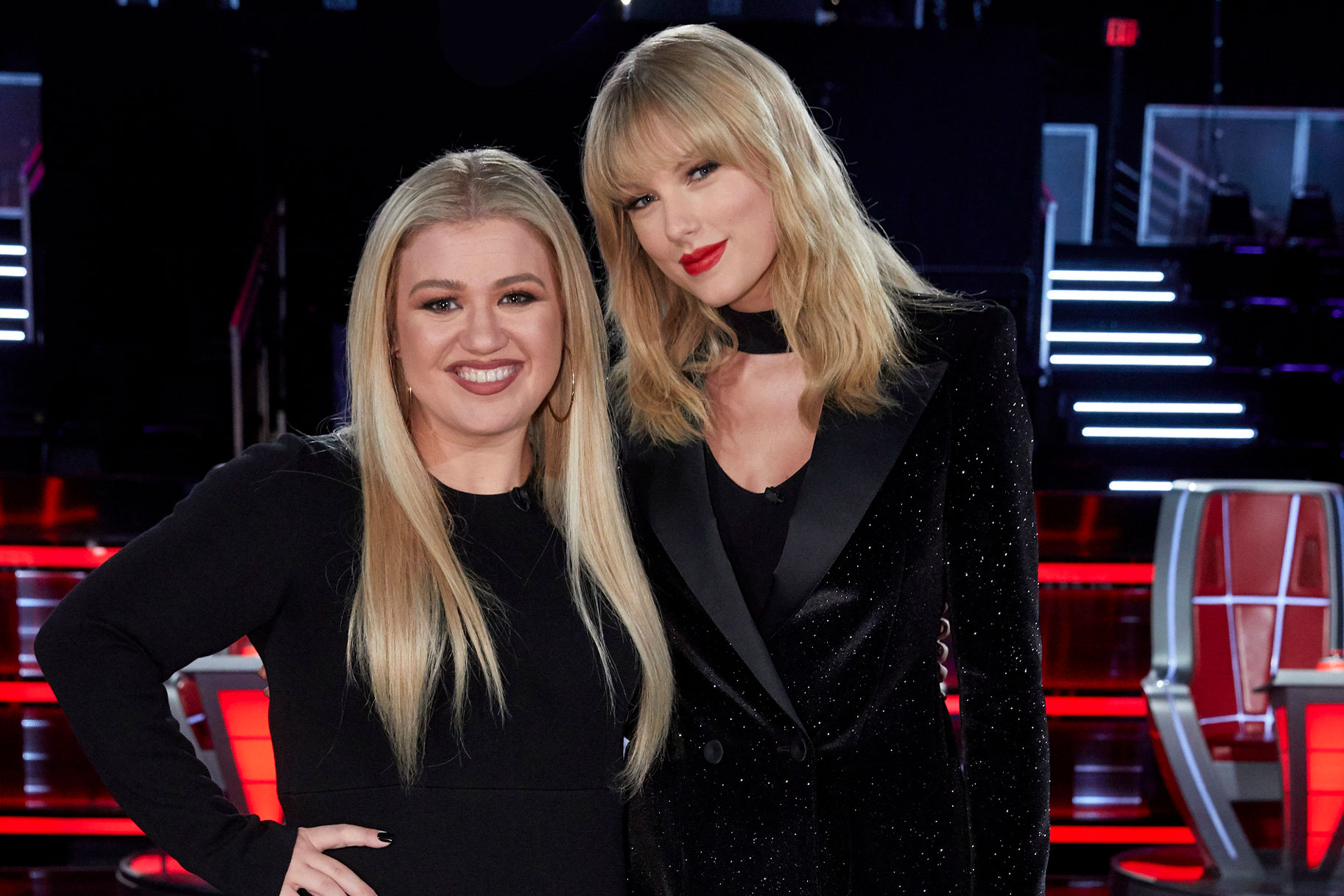
Back in 2019, one of the biggest turning points in modern music history began with a moment of industry upheaval—and a single tweet.
When Taylor Swift publicly reacted to Scooter Braun acquiring her former label and her master recordings in a reported $300 million deal, the situation quickly became one of the most talked-about controversies in the music world. Swift made it clear she felt blindsided and deeply frustrated, calling attention to the lack of control artists often have over their own work.
Amid that storm, Kelly Clarkson stepped in—not with drama, but with clarity.
Clarkson suggested something bold yet simple: why not re-record the albums?
At the time, it sounded almost too ambitious. Re-recording entire albums wasn’t a common path for artists at Swift’s level. But Clarkson’s idea carried weight—it wasn’t just emotional support, it was strategic. By re-recording her music, Swift could regain control, create new value for her catalog, and give fans a reason to choose her versions over the originals.
That suggestion would soon evolve into what we now know as the “Taylor’s Version” era.
Starting with Fearless (Taylor’s Version) in 2021, Swift began reclaiming her discography piece by piece. She followed it with Red (Taylor’s Version) and Speak Now (Taylor’s Version), turning each release into a cultural event. Fans rallied behind her, streaming and buying the new versions in massive numbers, effectively shifting power back into the artist’s hands.
Interestingly, Clarkson never tried to take credit.
She later downplayed her role, suggesting that Swift likely would have come to the idea on her own. But whether intentional or not, her tweet helped shape the conversation—and possibly accelerated a decision that changed the industry.
The ripple effects didn’t stop there. The situation reportedly created tension, including an awkward dynamic with Braun, who was at the center of the original controversy. Still, Clarkson remained largely above the conflict, focusing instead on supporting a fellow artist.
What makes this moment so powerful isn’t just the success of “Taylor’s Version”—it’s what it represents.
Clarkson’s advice highlighted a deeper truth about the music business: ownership matters. For decades, artists have struggled with losing control of their work to labels and executives. Swift’s response, partly inspired by that simple suggestion, became a blueprint for reclaiming creative rights in an industry that often prioritizes profit over artistry.
Today, the “Taylor’s Version” movement stands as more than a re-recording project—it’s a statement. A reminder that artists can fight back, rewrite their narrative, and take ownership of their legacy.
And while Kelly Clarkson may not seek recognition, her voice in that moment quietly helped spark one of the most influential shifts in modern music history.